

Edge AI in Industrial Automation: Real-Time Control and Predictive Analytics
Industrial automation is entering a new phase where factories benefit from edge AI to increase efficiency and reliability. Pivoting to edge AI offers autonomy to foctories, without needing to connect with a server, systems can operate at the edge with the help of embedded systems. Latency, bandwidth constraints, and reliability issues can limit how fast systems respond in environments, that is a problem solved with edge AI.
Making use of high-tech solutions like machine learning in industrial automation, edge AI systems not only solve network issues but also offer new ways of integrating AI in factory automation. Edge AI enables real-time decision-making, instant quality inspection, adaptive robotic control and more, increasing productivity, reducing unplanned downtime and improving overall operational efficiency.
What is Edge AI and How to Use it?
It is important to understand what edge AI is before moving forward. Edge AI systems deploy artificial intelligence and machine learning models directly on edge devices. These edge devices can be industrial gateways, sensors, controllers, cameras, based on what you are planning to build.
Edge AI handles data collection, analysis and inference locally. This means, if you want to deploy an artificial intelligence model in your factory, the model can be utilized in that exact location, rather than continuously communicating with a server. Without edge AI solutions, communicating with a server back and forth could affect the workflows in the factory as there might be network issues, latency or other problems.
Furthermore, it is possible for edge AI systems to be connected to a home server and send or receive data. You can choose what data the edge AI system would send to the home server and receive from it, preventing unnecessary network movements.
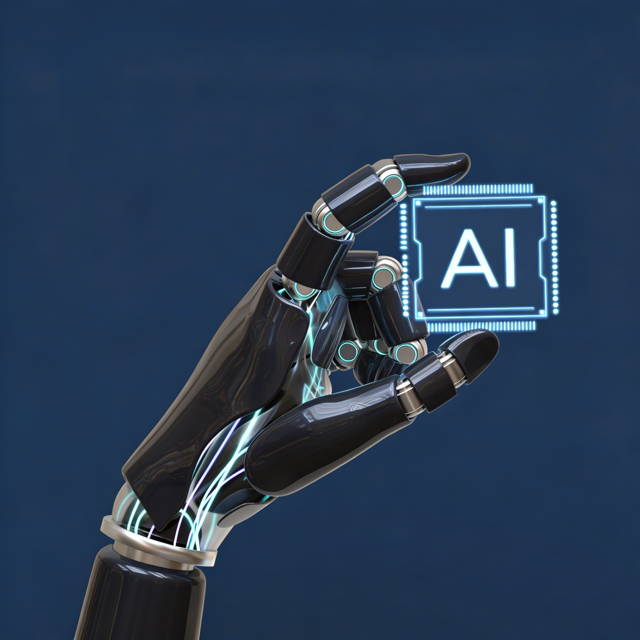
In an industrial automation context, Edge AI is tightly integrated with operational technologies such as PLCs, SCADA systems, industrial robots, and machine vision equipment. By combining real-time sensor data with on-device AI models, manufacturers can detect anomalies, optimize processes, and control equipment with high precision. This localized intelligence makes Edge AI especially well-suited for mission-critical applications where speed, reliability, and data security are essential.
Role of Edge AI in Industrial Automation
Real-time control is critical in industrial automation. Even minor delays can have a big impact in factory line. Using AI in factory automations minimizes such risks, making sure everything runs smoothly. Traditional automation relies on predefined rules whereas AI-based solutions can adapt in real-time, offering flexibility and tailored workflows.
By running AI models on edge devices, industrial systems can instantly analyze sensor data and adjust machine behavior in real time. This is particularly critical for applications such as robotic motion control, machine vision–based inspection, and process optimization. For example, Edge AI-powered vision systems can detect defects on a production line and trigger corrective actions immediately, while AI-enabled controllers can fine-tune robotic movements based on live feedback. The result is faster response times, higher precision, and greater operational stability, making Edge AI a key driver of intelligent, autonomous industrial control systems.
How to Implement Edge AI in Industrial Automation
The first step in order to integrate AI in factory automation is to determine where and how to use it. Identifying high-impact use cases where real-time intelligence delivers measurable value, such as predictive maintenance, quality inspection, energy optimization, or robotic control is the key, as the systems will be built upon this initial decision.
After identifying where to use edge AI, it is time to decide on how to use it. Right edge hardware and software stack enables reliable, low-latency AI processing directly at the source of data, ensuring seamless integration with existing industrial systems such as PLCs, sensors, and control units. This foundation is essential for achieving consistent performance and hardware is the most crucial component. If you are looking for a long-term high-quality solution, you can choose carrier boards or industrial PC boxes from FORECR depending on your needs.
After deciding on how to implement edge AI in factory automation, there comes the software building part. This stage involves developing, training and deploying AI models that are optimized for edge environments and aligned with specific industrial use cases. Software pipelines must support data acquisition, model inference, and real-time integration with control systems, while ensuring reliability and low latency.
By now, we have looked at how to implement an edge-AI based solution on factories. However, this is just the beginning of something great. With the right equipment and software, edge AI systems can last years if maintenance is done correctly. Picking the highest quality hardware Deploying secure device management, enabling over-the-air updates and continuously monitoring model performance to prevent drift are crucial.
By adopting a scalable, secure, and well-integrated approach, manufacturers can unlock the full potential of Edge AI and accelerate the transition toward intelligent, autonomous industrial operations. Successfully implementing Edge AI in automation industry requires attention to detail, expertise and experience. Working with the right people will make sure the transition is seamless, leaving no room for mistakes. This is where FORECR’s deep expertise in industrial edge computing, hardware integration, and AI-ready platforms helps manufacturers move from concept to deployment with confidence.
Hardware for Industrial Automation
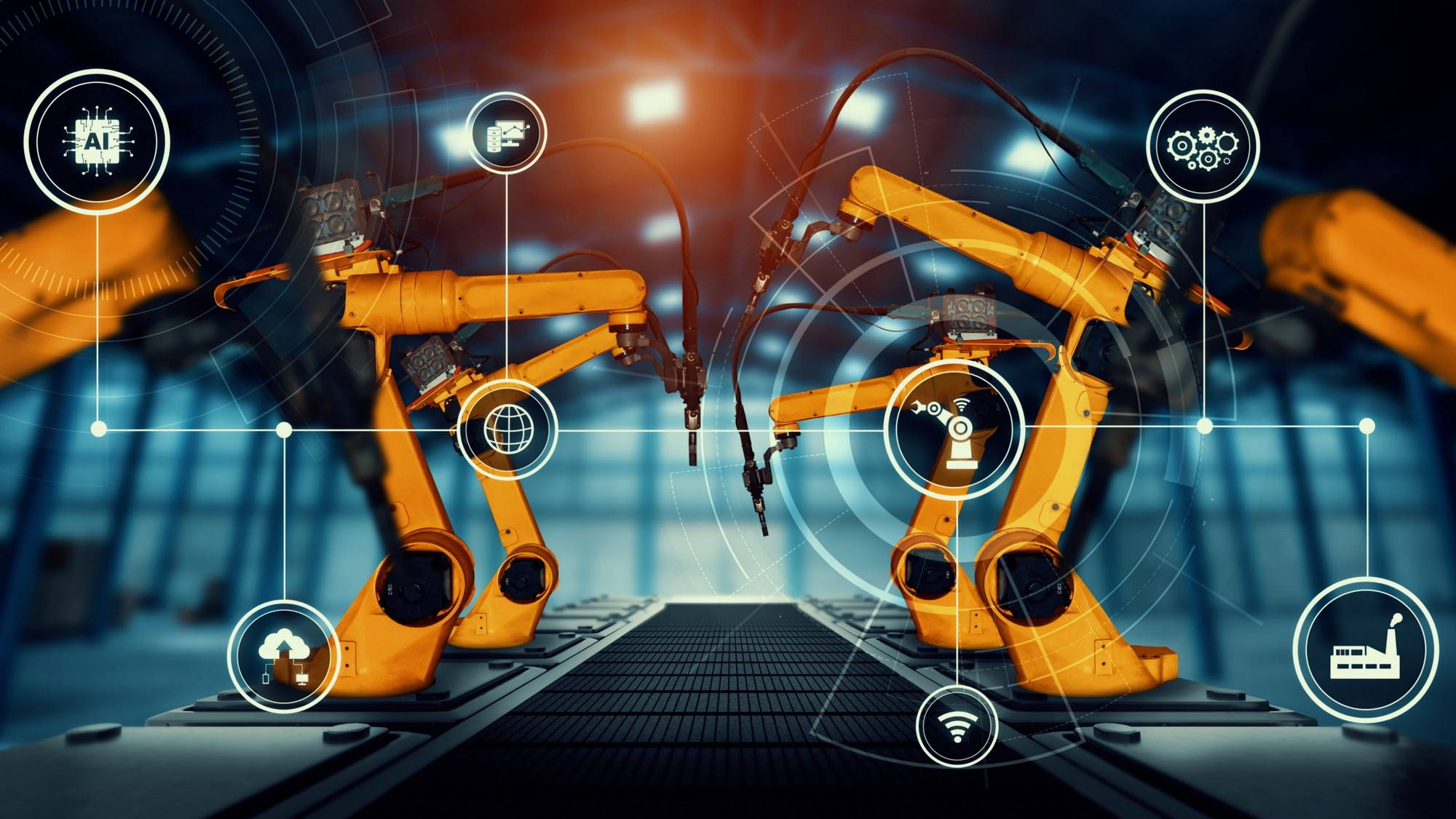
Industrial automation hardware forms the backbone of any edge AI deployment, providing the reliability and performance required for mission-critical operations. In factory environments, hardware must be designed to withstand harsh conditions such as vibration, dust, temperature fluctuations, and continuous operation. Choosing robust, scalable hardware ensures consistent performance, long lifecycle support and a solid foundation for deploying Edge AI applications in industrial automation.
DSBOARD-THRMAX is a great solution if you wish to deploy the highest AI performance. DSBOARD-THRMAX delivers an extraordinary 2070 TFLOPS of AI performance, making it perfect for compute-intensive industrial applications such as real-time machine vision, advanced robotics, large-scale predictive analytics and complex multi-sensor data processing at the edge. Its high-performance architecture enables manufacturers to run sophisticated AI models locally with ultra-low latency, supporting demanding workloads in smart factories and other mission-critical industrial environments. Its reliable form factor allows for use in harsh environments, making it a top solution for industrial automation.
DSBOX-THRMAX is FORECR’s new industrial-grade Edge AI computer powered by the revolutionary NVIDIA Jetson THOR. This enclosed system, with its rugged structure, offers top computing performance with 128GB of LPDDR5X memory and incredible connectivity including QSFP+, dual USB-C with DisplayPort, and high-speed PCIe Gen5 storage.
DSBOX-AGXMAX is a rugged, fanless industrial box PC designed to harness the full power of the AGX Orin SoM, delivering up to 275 TOPS of AI performance. Built for demanding edge workloads, it features high-speed 10G networking, dual Gigabit Ethernet, USB 3.2, HDMI, CAN, serial interfaces, and MIPI CSI-2 camera support, ensuring broad connectivity for industrial systems. From machine vision and robotics to automation and other AI-driven industrial applications, it provides the performance and flexibility required to support advanced edge AI deployments.
DSBOARD-AGXMAX is an industrial-grade carrier board designed to enhance productivity and enable extensive connectivity in edge AI applications. Equipped with the high-performance AGX Orin SoM, it delivers up to 275 TOPS of AI computing power. The board supports advanced 10G networking, dual Gigabit Ethernet, USB 3.2, HDMI, CAN, serial interfaces, and MIPI CSI-2 camera connections, making it well suited for a wide range of industrial integrations. With the AGX Orin SoM at its core, DSBOARD-AGXMAX provides the speed, reliability, and real-time processing capabilities required by demanding industrial workloads. From machine vision and robotics to automation and other AI-driven systems, it offers the performance and flexibility needed to support complex industrial applications.
Conclusion
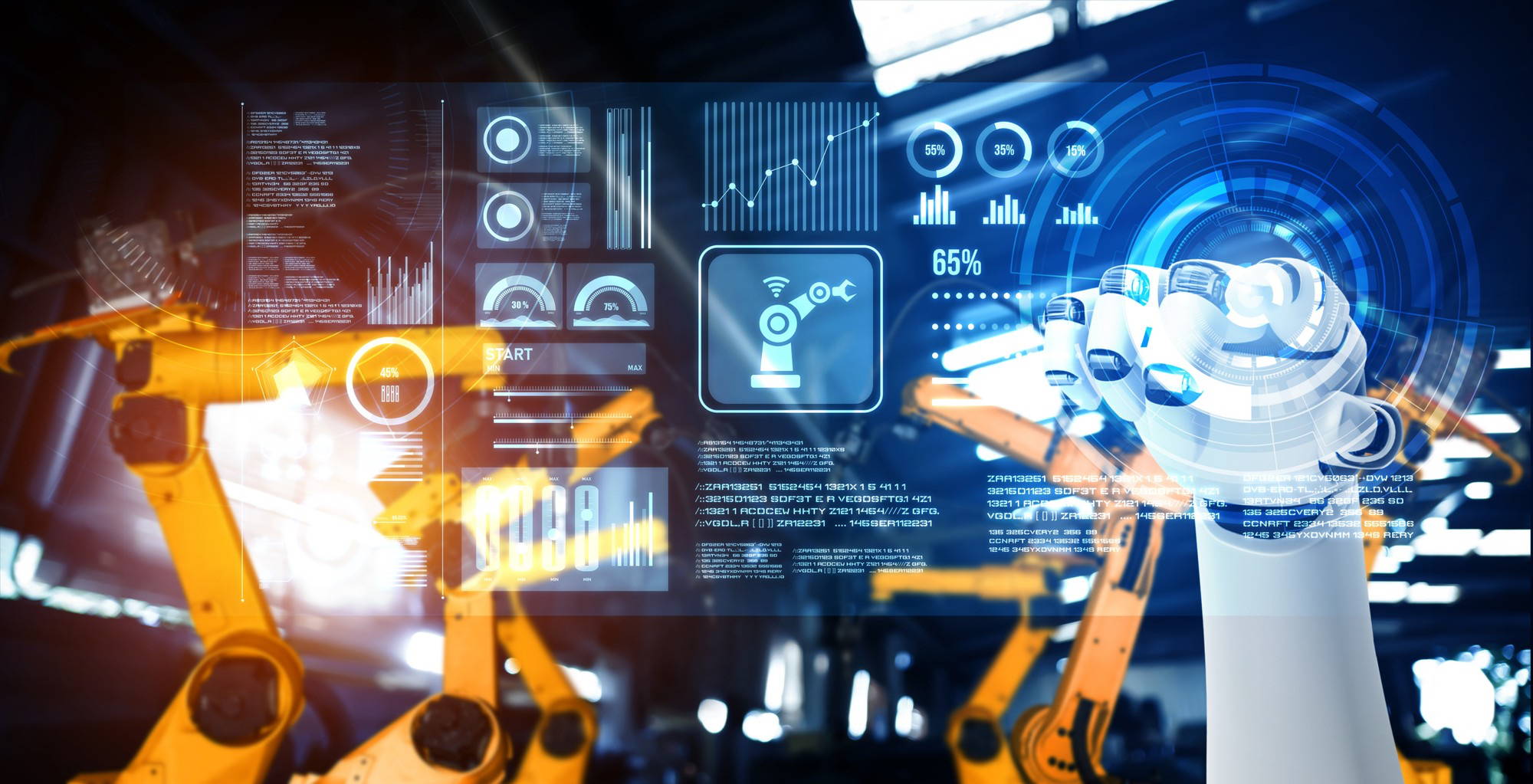
Successfully integrating AI in industrial automation requires a well-planned strategy that combines robust hardware, optimized software, and streamlined processes for how to automate training of AI models in industry. When AI models are trained, deployed, and maintained correctly at the edge, factories gain long-term operational value without constant reliance on centralized servers. With the right edge platforms, lifecycle management, and expert support, manufacturers can confidently transition toward intelligent, self-optimizing production systems. As Edge AI continues to evolve, it will remain a cornerstone technology driving the next generation of smart, autonomous industrial automation. With FORECR’s industrial-grade edge platforms, deep hardware expertise, and AI-ready solutions, manufacturers can accelerate deployment and confidently build scalable, future-proof automation systems.
Need help?
Frequently Asked Questions

