
Skip to content

Cart

Your cart is empty

Edge AI in Agriculture: Enabling Smarter and More Efficient Farming

Advancing Modern Agriculture Technologies 

Industry:

Agriculture

Use Case:
Plant Monitoring, crop analysis, animal health monitoring, smart spraying, precision farming


Agriculture is undergoing a technological transformation as farmers increasingly adopt data-driven solutions to improve productivity, sustainability and operational efficiency. Technologies such as sensors, drones, cameras and automated machinery are generating vast amounts of data from the field. However, many agricultural environments are located in remote areas where internet connectivity is limited, making it difficult to rely entirely on cloud-based systems for analysis and decision-making.


This is where Edge AI becomes particularly valuable. By processing data directly on devices at the edge of the network, Edge AI enables real-time insights and faster responses without constant cloud connectivity. From monitoring crop health to enabling autonomous agricultural machinery, Edge AI allows intelligent systems to operate directly in the field, helping farmers make smarter decisions and optimize their operations.


What is Edge AI?

Edge AI refers to the deployment of artificial intelligence algorithms directly where data is collected, in other words, right at the “edge” of a network. The edge of the network might be sensors, cameras, drones or embedded systems. Rather than relying on cloud connectivity, edge AI processes data locally, reducing latency and minimizing the need to be connected at all times. Edge AI is especially important in scenarios where real-time responses are crucial. 


Why Agriculture Needs Edge AI

Modern systems rely more on data to improve productivity, sustainability and efficiency. Yet, limited internet connectivity or inadequate hardware make it harder to make use of the data at hand. This is the problem that edge AI solves. By making it possible to deploy artificial intelligence in agriculture without needing constant connectivity, edge AI enables data to be processed directly on local devices such as sensors, cameras and embedded systems in the field.

Agriculture is among the sectors where the real deal takes place in remote areas. Specifically because of this, edge AI is crucial in agriculture. With Edge AI, agricultural operations can transform raw data into actionable insights directly at the source, supporting smarter and more resilient farming practices.


Key Applications of Edge AI in Agriculture

Modern technology and farming solutions enhance production capacity while also making it more sustainable and effective. Artificial intelligence in agriculture takes this into a whole another level by deploying real-time data collection, analysis and decision-making right where the action takes place. Some smart farming solutions made possible by edge AI are:

  • Soil / water condition sensor analysis
  • Smart greenhouse management
  • Autonomous farming vehicles
  • Field analytics with drones
  • Plant disease detection 
  • Precision spraying

In addition to these, FORECR has experience in developing systems for plant monitoring, crop analysis, animal health monitoring and smart spraying systems which enhance agricultural productivity, optimize resource usage, and support precision farming practices. We can examine each of these use cases in detail to know more about them. 


Plant Monitoring and Crop Analysis

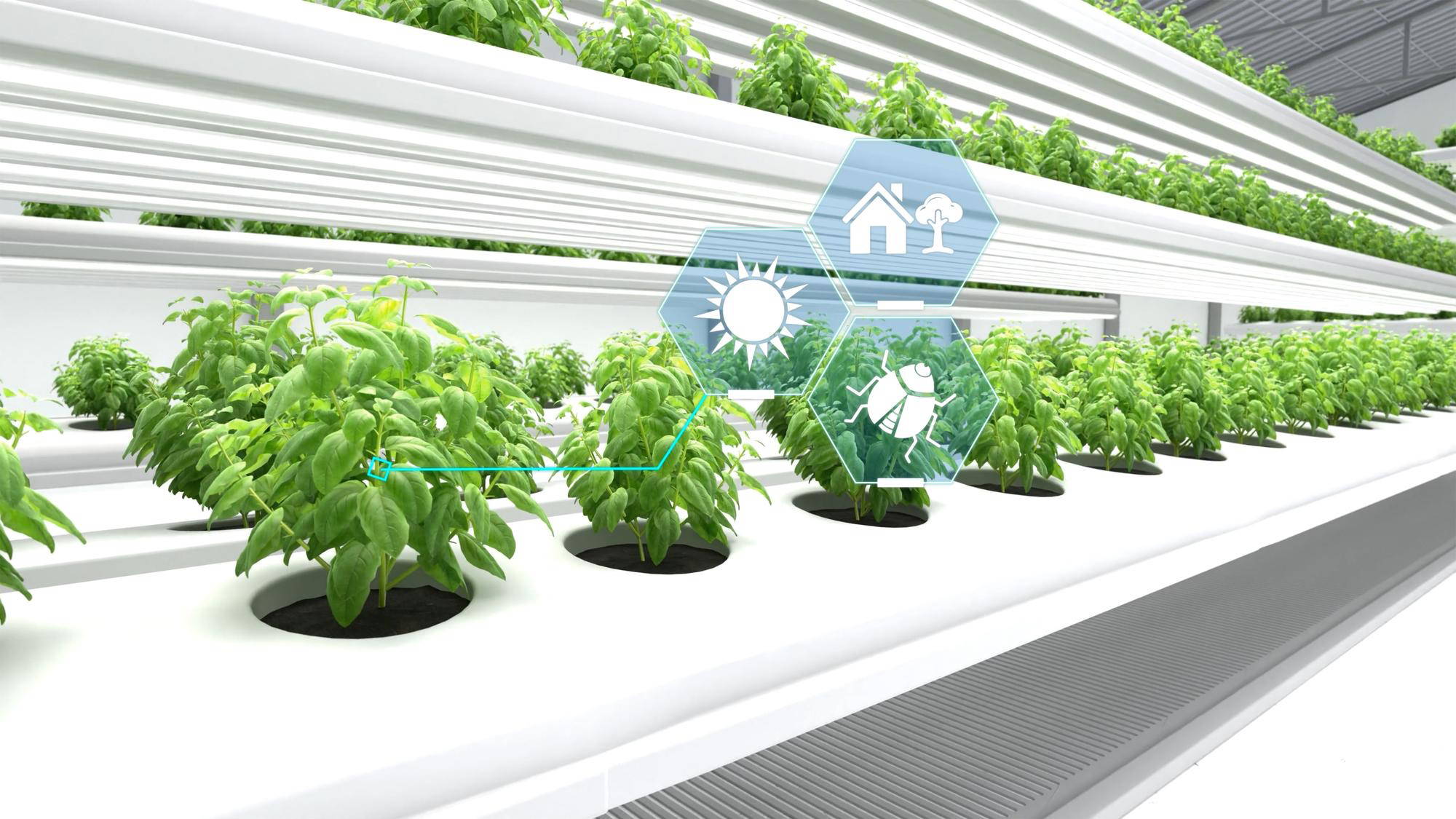
Advanced AI-powered systems can be utilized for plant monitoring by identifying plant types, assessing plant health conditions, and measuring growth parameters such as size and development stage. Using high-resolution cameras and edge AI processing, these systems analyze visual data directly in the field to detect issues like nutrient deficiencies, diseases, or irregular growth patterns at an early stage. Similar machine vision solutions can also be adapted for meat processing applications, where visual inspection systems help classify products, monitor quality, and automate sorting processes with high accuracy and efficiency.


Animal Health Monitoring with Machine Vision

Machine vision technologies are increasingly being used to monitor animal health and behavior in modern livestock farming. AI-enabled cameras can continuously observe animals to detect changes in movement, posture, or feeding patterns that may indicate health issues or stress. By analyzing these visual cues in real time, farmers and facility managers can identify potential problems earlier, improve animal welfare, and reduce the risk of disease spreading within the herd. Edge computing systems powered by FORECR hardware make it possible to process this data locally, enabling fast responses even in remote farm environments.


Smart Spraying Systems

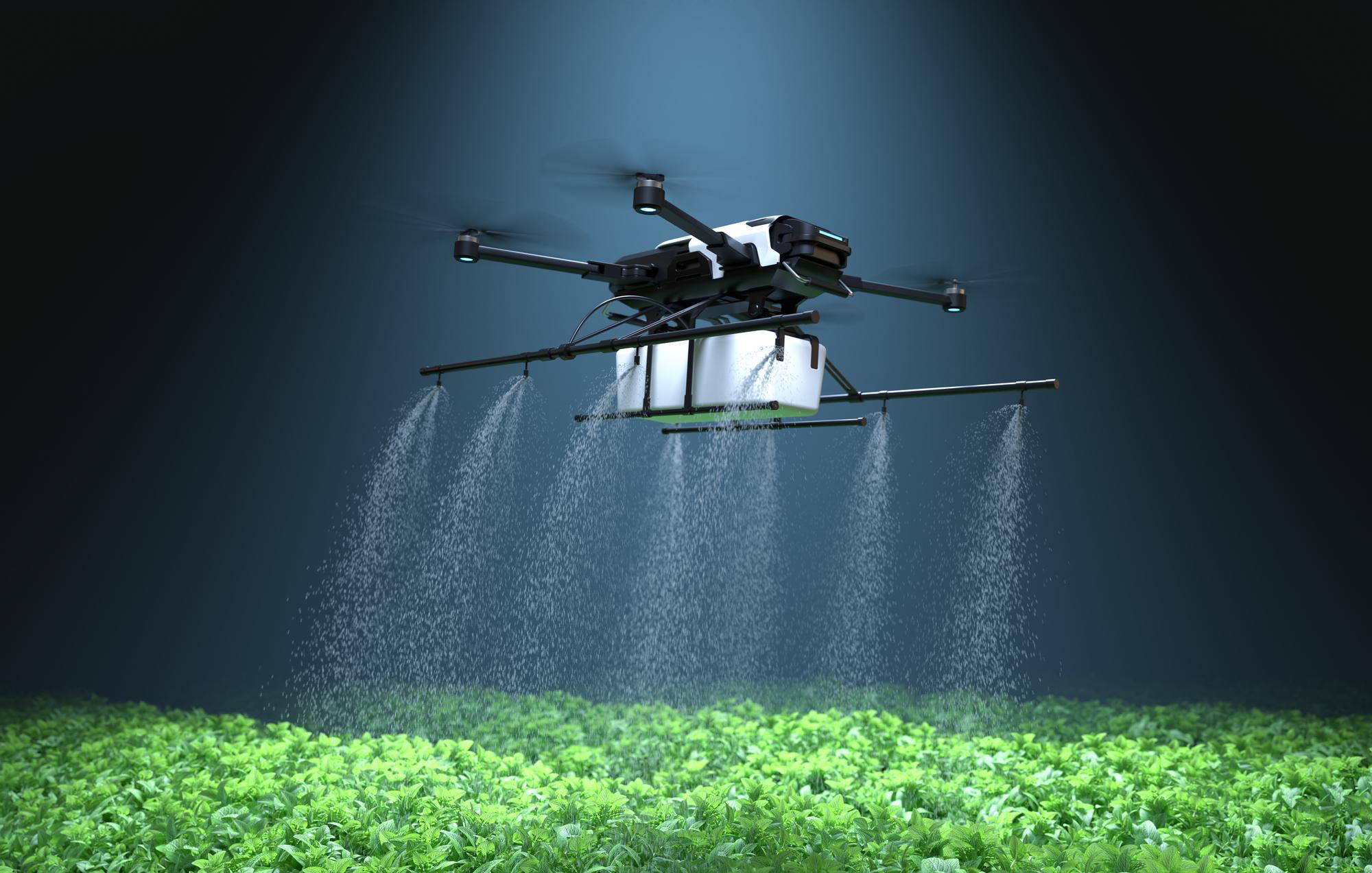
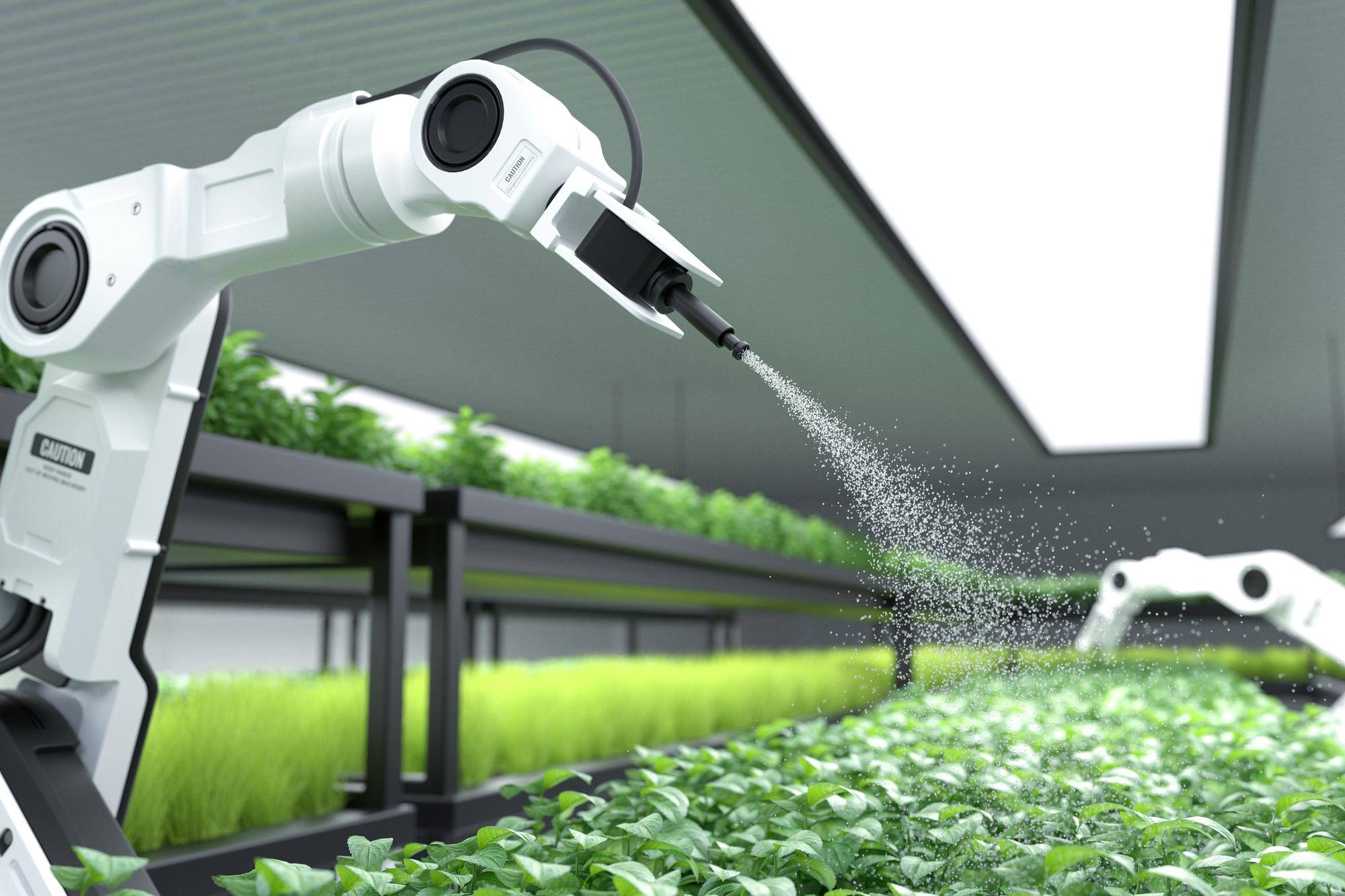
Smart spraying systems use computer vision and AI algorithms to optimize the application of pesticides, herbicides, or fertilizers. By analyzing crops and identifying weeds or affected areas in real time, these systems ensure that spraying is performed only where it is needed. This targeted approach significantly reduces chemical usage, lowers operational costs, and minimizes environmental impact. With FORECR’S compact and rugged edge AI hardware, smart spraying solutions can be easily integrated into agricultural machinery, enabling precise and efficient crop management directly in the field. 


Benefits of AI in Agriculture

Edge AI provides significant advantages for modern farming by enabling faster and more efficient decision-making directly in the field. Because data is processed locally on edge devices, farmers and agricultural systems can receive real-time insights without relying on constant internet connectivity. This allows for immediate responses to changing conditions such as pest outbreaks, crop stress, or irrigation needs. By reducing the need to send large volumes of data to the cloud, Edge AI also lowers bandwidth usage and operational costs while improving system reliability in remote agricultural environments.

Some key benefits of Edge AI in agriculture include:

  • Real-time decision making
  • Reduced dependence on internet connectivity
  • Lower data transmission costs
  • Improved crop monitoring
  • Efficient resource management
  • Enhanced sustainability


How to Implement Edge AI in Agriculture

Implementing artificial intelligence agriculture solutions takes a few steps. First, the problem to solve should be identified. The problem can be about productivity, capacity or analysis. It is necessary to clearly identify what is the issue to be solved so that edge AI system can be built.
After identifying the problem, it is time to decide on the solution. “What will the edge AI solution do?” is the question to ask at this stage. Will it monitor sensor data and make decisions real time? Will it use computer vision to support smart spraying systems? Edge AI has almost endless capacity, it’s just a matter of understanding the situation at hand to decide how to use it. Knowing what edge AI is to do allows choosing the correct hardware, so this step is crucial.

Having identified the problem and the solution, we can move on to the hardware part of the system. Correct hardware makes sure everything in implementation of edge AI in agriculture goes as planned. Hardware must be suitable for the needs of the solution, for example, if the project is going to use computer vision, then the hardware be able to support these systems. FORECR’s carrier boards, industrial PCs and ruggedized computers offer a wide range of technical specifications, making them ideal for modern technology and farming. Furthermore, if you cannot find the hardware that meets your exact needs, you can opt for getting custom design support.

Until this point, we have identified the problem, solution and hardware. The next step is to bring them all together, building the system and the software capacity. This final step ensures that all components work seamlessly as an integrated solution, enabling reliable operation, efficient data processing, and effective delivery of the intended functionality.


Products for Edge AI Agriculture Solutions

Smart agriculture technology requires durable hardware that is capable of working in the harshest conditions and endure dust, shock, vibration and moisture. Opting for the most durable hardware allows agriculture artificial intelligence solutions to operate reliably in the field, ensuring continuous data collection, accurate analytics and minimal downtime even in remote farming environments. FORECR provides durable carrier boards, industrial box PCs and ruggedized computers with a wide range of technical specifications, each fit to support smart agriculture applications.

Railway grade computers are especially recommended for agriculture edge AI solutions. As these ruggedized computers are specifically built to withstand shock, vibration and any other possible environmental difficulties, they are ideal for AI implementation in agriculture. FORECR’s railway grade rugged computers are tested to meet industry standards, which ensures they are durable against dust, moisture, and mechanical stress.

RAIBOX-AGX, powered by the strong NVIDIA Jetson AGX Orin, delivers exceptional AI performance and real-time data processing capabilities required for precision farming applications. Operating efficiently with a 10-36V DC power supply, RAIBOX-AGX ensures stable performance. It is equipped with 8x GMSL-2 (FAKRA) connectors, 10G Ethernet, Gigabit Ethernet, and USB 3.0 interfaces for fast and reliable communication, while also supporting a wide range of interfaces including CANBUS, RS232/RS422/RS485, digital I/O, and modular expansion options for WiFi, Bluetooth, LTE, and 5G.

RAIBOX-ORNX, designed to carry NVIDIA Jetson Orin NX, is built to withstand extreme temperatures, shock, and vibration. Its Gigabit Ethernet and USB 3.2 interfaces ensure rapid data transfer and seamless communication. It operates efficiently with low power consumption (<40 Watts) and a wide range of power supply options (10-75VDC), making it possible for RAIBOX-ORNX be easily integrated into a wide variety of smart agriculture projects. Its M.2 SSD support provides ample space and quick access to critical data, essential for high performance. 

Haven’t decided yet?

Choosing the right hardware and system architecture for an Edge AI agriculture project can be challenging, especially when different applications require different levels of computing power, connectivity, and environmental durability. Factors such as camera integration, sensor compatibility, power requirements and operating conditions must all be considered to ensure reliable performance in the field.
FORECR’s engineering team can help you determine the most suitable hardware for your specific application. Whether you are developing a crop monitoring system, a smart spraying solution or an AI-powered livestock monitoring platform, FORECR offers both standard products and custom design services to support your project. If you would like to learn more about the best Edge AI hardware for your agriculture solution, feel free to contact our team for expert guidance.