

25 Examples of Embedded Systems in Everyday Life and Industry
Embedded systems are used for various areas in our daily life and industries such as the military, health, and automation. They are designed to perform specific tasks more efficiently and smartly. Almost every device we can see today uses embedded systems. Embedded systems are low in cost, small and simple designs. This makes embedded systems useful and helpful to society. Here are examples of real-life embedded system examples.
25 Examples of Embedded Systems at a Glance
| Example | System Type | Processor Type | Operating System |
|---|---|---|---|
| Microwave Oven | Standalone | Microcontroller | Bare-metal / RTOS |
| Washing Machine | Standalone | Microcontroller | Bare-metal / RTOS |
| Smartwatch | Mobile / Networked | MCU / SoC | RTOS / Embedded OS |
| Smart Thermostat | Networked | Microcontroller | Bare-metal / RTOS |
| Digital Camera | Standalone | SoC / DSP | Embedded OS / Firmware |
| Wi-Fi Router | Networked | SoC | Embedded Linux / RTOS |
| Home Security System | Networked | MCU / SoC | RTOS / Embedded Linux |
| ABS | Real-Time | Microcontroller | RTOS / Bare-metal |
| Engine Control Unit (ECU) | Real-Time | Microcontroller | AUTOSAR / RTOS |
| ADAS | Real-Time | SoC / MCU | RTOS / Embedded Linux |
| Pacemaker | Real-Time | Microcontroller | Firmware / RTOS |
| Infusion Pump | Real-Time | Microcontroller | RTOS / Firmware |
| Medical Imaging System | Standalone / Networked | CPU / SoC | Embedded Linux / RTOS |
| Industrial Controller (PLC) | Real-Time | Microcontroller / CPU | RTOS / Firmware |
| Machine Vision Camera | Real-Time / Networked | SoC / FPGA | Embedded Linux / RTOS |
| Autonomous Mobile Robot | Real-Time / Networked | CPU / GPU / MCU | Linux / ROS 2 |
| Smart Meter | Networked | Microcontroller | RTOS / Firmware |
| ATM | Networked | CPU | Embedded Windows / Linux |
| Interactive Kiosk | Networked | CPU / SoC | Embedded Windows / Linux |
| POS Terminal | Networked | SoC / MCU | Android / Embedded Linux |
| Traffic Monitoring Camera | Networked / Real-Time | SoC / AI Accelerator | Embedded Linux |
| AI-Powered Robot | Real-Time / Networked | CPU / GPU / MCU | Linux / ROS 2 |
| Autonomous Drone | Real-Time | MCU / SoC / GPU | RTOS / Embedded Linux |
| Railway Video Analytics System | Networked / Real-Time | CPU / GPU | Embedded Linux |
| Smart Agriculture System | Networked | MCU / SoC | RTOS / Embedded Linux |
Note: Processor types and operating systems vary by device and manufacturer. ROS 2 is robotics middleware, not an operating system.
1. Examples Of Everyday Life
1. Microwave Oven
Microwave ovens are common examples of embedded systems in everyday life. They use microcontrollers to manage cooking time, power levels, and preset programs according to user inputs. The embedded system controls internal components and monitors safety mechanisms, such as the door interlock. This allows microwave ovens to perform cooking operations automatically and consistently.


2. Washing Machine
Washing machines are common examples of embedded systems in everyday life. They use embedded microcontrollers to control washing cycles, water levels, temperature, and spin speed based on user-selected settings. Built-in sensors monitor operating conditions and help the system adjust water usage, cycle duration, and motor performance. By automating these processes, embedded systems improve washing efficiency, optimize resource consumption, and reduce the need for manual
3. Smartwatch
Smartwatches are examples of embedded systems that combine compact computing hardware with sensors and wireless connectivity. They use embedded processors to monitor physical activity, track heart rate, display notifications, and manage other functions in real time. Built-in software processes sensor data while optimizing power consumption to extend battery life. Many smartwatches also communicate with smartphones and cloud services, making them useful examples of connected embedded systems in everyday life.

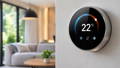
4. Smart Thermostat
Smart thermostats are examples of embedded systems in daily life that automatically regulate indoor temperatures. They use embedded microcontrollers and temperature sensors to monitor environmental conditions and control heating or cooling equipment. Many models also support Wi-Fi connectivity, allowing users to adjust settings remotely through mobile applications. By analyzing temperature readings, user preferences, and programmed schedules, these systems help maintain comfortable indoor conditions while improving energy efficiency.
5. Digital Camera
Digital cameras use embedded processors to capture, process, and store images. These systems manage functions such as autofocus, exposure, image stabilization, and digital image processing. Sensors capture visual information, while dedicated processors convert it into digital images. Some advanced cameras also support AI-powered features such as face detection and object tracking.

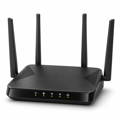
6. Wi-Fi Router
Wi-Fi routers are examples of networked embedded systems that manage communication between connected devices. They use dedicated processors and embedded software to route data, control wireless connections, and enforce network security settings. Many routers run embedded operating systems that support network management and firmware updates. These systems enable reliable internet connectivity in homes, offices, and industrial environments.
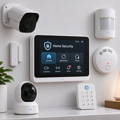
7. Home Security System
Home security systems use embedded controllers and sensors to monitor buildings and detect potential threats. Motion detectors, door sensors, smoke detectors, and connected cameras can work together to identify unusual activity. When a predefined condition is detected, the embedded system may activate an alarm or send a notification. Similar security solutions are also used in offices, retail stores, and industrial facilities.
2. Embedded Systems in Automotive Application

8. Anti-lock Braking System (ABS)
Anti-lock Braking Systems use embedded controllers to help prevent wheel lockup during sudden braking. Wheel-speed sensors continuously provide data to the controller, which adjusts brake pressure when necessary. This process helps maintain steering control and vehicle stability during braking. ABS is a common example of a real-time embedded system in automotive applications.
9. Engine Control Unit (ECU)
An Engine Control Unit is an embedded system responsible for managing key engine functions. It processes information from sensors measuring parameters such as engine speed, temperature, and airflow. Based on this data, the ECU adjusts fuel injection, ignition timing, and other operations. These systems help improve engine performance, efficiency, and emissions control.


10. Advanced Driver Assistance Systems (ADAS)
Advanced Driver Assistance Systems use embedded computing platforms to support safer and more intelligent driving. Cameras, radar, and other sensors collect information about the surrounding environment. Embedded processors analyze this data to enable features such as lane departure warnings, adaptive cruise control, and automatic emergency braking. Advanced implementations may also use Edge AI to process complex sensor data with low latency.
3. Embedded Systems in Healthcare
11. Pacemaker
Pacemakers are medical embedded systems designed to monitor and regulate heart rhythm. They use specialized electronic circuits and embedded software to detect cardiac activity and deliver electrical impulses when necessary. These devices operate continuously with strict power consumption and reliability requirements. Their dedicated functionality makes them important examples of real-time embedded systems in healthcare.

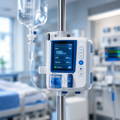
12. Infusion Pump
Infusion pumps use embedded controllers to deliver controlled amounts of fluids or medication to patients. Sensors and programmed settings help regulate flow rates, delivery schedules, and safety alerts. The system continuously monitors operating conditions to detect issues such as occlusions or incorrect delivery parameters. Reliable embedded control is essential for maintaining accurate and consistent operation.
13. Medical Imaging System
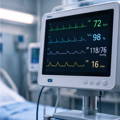
Medical imaging equipment, including ultrasound and MRI systems, relies on embedded computing technology for data acquisition and device control. Specialized processors manage sensors, signal processing, and communication between internal components. These systems help convert captured signals into images that healthcare professionals can analyze. Advanced imaging platforms may also incorporate AI acceleration for image enhancement and analysis
4. Industrial Embedded System Examples
14. Industrial Controller (PLC)
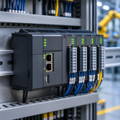
Programmable Logic Controllers are embedded computing systems widely used in industrial automation. They receive information from sensors and execute programmed instructions to control motors, machinery, and production processes. PLCs are designed for reliable operation in demanding industrial environments. Their predictable response times make them particularly useful for time-sensitive automation tasks.
15. Machine Vision Camera
Machine vision cameras use embedded processors to capture and analyze visual information in industrial environments. They can support applications such as quality inspection, defect detection, and automated measurement. Some systems integrate AI accelerators to perform image analysis directly on the device. This local processing can reduce response times and limit the need to transmit large amounts of image data to external servers.

16. Autonomous Mobile Robot (AMR)
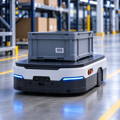
Autonomous Mobile Robots use embedded computing systems to navigate environments and perform tasks without continuous human control. Cameras, LiDAR sensors, and other devices collect information about surrounding obstacles and movement conditions. Embedded processors analyze this data to support localization, path planning, and obstacle avoidance. AMRs are increasingly used in warehouses, logistics facilities, and industrial automation.
17. Smart Meter
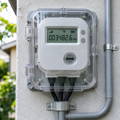
Smart meters use embedded microcontrollers to measure and record electricity, water, or gas consumption. Unlike traditional meters, many smart meters support digital communication and remote monitoring. Their embedded software processes measurement data and transmits information to utility management systems. These capabilities support automated meter reading, consumption analysis, and more efficient resource management.
5. Embedded Systems in Public Spaces and Retail
18. Automated Teller Machine (ATM)
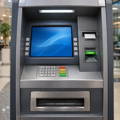
Automated Teller Machines use embedded computing systems to manage banking transactions and user interactions. Their controllers coordinate card readers, keypads, displays, cash dispensers, and secure communication modules. Embedded software processes user requests while communicating with banking networks for transaction authorization. ATMs demonstrate how multiple dedicated hardware components can operate together within a larger embedded system.
19. Interactive Kiosk
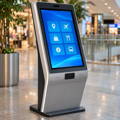
Interactive kiosks are examples of embedded system applications commonly found in public spaces and retail environments. They combine touchscreen interfaces, embedded processors, and communication modules to provide self-service functionality. These systems can support ticket purchasing, product ordering, registration, and information services. By automating routine interactions, kiosks help reduce waiting times and improve service accessibility.
20. Point-of-Sale (POS) Terminal
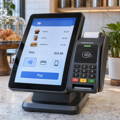
Point-of-Sale terminals use embedded computing technology to process retail transactions and manage payment interfaces. They integrate components such as card readers, touchscreen displays, and network communication modules. Embedded software coordinates payment operations, transaction data, and connections to external payment services. These systems are widely used in restaurants, supermarkets, and other retail environments.
21. Traffic Monitoring Camera
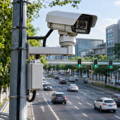
Traffic monitoring cameras use embedded processors to capture and process visual information from roads and intersections. Advanced systems can analyze vehicle movement, traffic density, and specific events directly on local hardware. Edge AI capabilities can support applications such as vehicle detection and traffic flow analysis. Processing data near the camera helps reduce latency and enables faster responses in intelligent transportation systems.
6. Edge AI Embedded System Examples
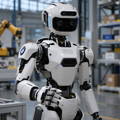
22. AI-Powered Robot
AI-powered robots combine embedded computing platforms with sensors and AI algorithms to interact with their surroundings. Cameras and other sensors provide information that processors analyze for object recognition, navigation, and decision-making. Platforms such as NVIDIA Jetson can support AI inference directly on robotic systems. This enables intelligent functionality with reduced dependence on cloud connectivity
23. Autonomous Drone
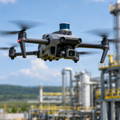
Autonomous drones use embedded controllers to manage flight stabilization, navigation, and communication. Advanced models integrate cameras, GPS, and AI computing platforms to process environmental information. Edge AI can enable capabilities such as object tracking, obstacle detection, and autonomous inspection. These systems are used in applications including infrastructure monitoring, agriculture, and industrial inspection.
24. Railway Video Analytics System
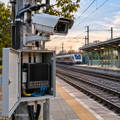
Railway video analytics systems use embedded computers to process camera feeds from trains and railway infrastructure. AI algorithms can help detect obstacles, monitor passenger activity, and identify operational events. NVIDIA Jetson-based industrial computers can support local video analytics in railway applications. Processing visual data at the edge can reduce communication requirements and enable faster operational insights.
25. Smart Agriculture System
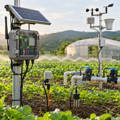
Smart agriculture systems use embedded controllers and connected sensors to monitor environmental and agricultural conditions. These systems can measure soil moisture, temperature, and other parameters to support irrigation and resource management. Advanced Edge AI solutions can also analyze camera images to identify crop conditions or potential abnormalities. Embedded computing enables more automated, data-driven agricultural operations.
Types of Embedded Systems with Examples
Embedded systems can be classified according to their functionality, connectivity, and response requirements.
Standalone Embedded Systems: Operate independently to perform dedicated tasks, such as microwave ovens, washing machines, and digital cameras.
Real-Time Embedded Systems: Process inputs within defined timing constraints. Examples include anti-lock braking systems, pacemakers, and industrial controllers.
Networked Embedded Systems: Communicate with other devices or networks, such as Wi-Fi routers, smart meters, and connected security systems.
Mobile Embedded Systems: Operate in portable or battery-powered devices, including smartwatches, drones, and handheld payment terminals.
Some embedded systems belong to multiple categories depending on their design and application.
If you want to learn more about embedded systems, our latest article "How Do Embedded Systems Work" is a good place to start.
Need help?
Frequently Asked Questions

