

Navigating Smarter Seas with Edge Computing Solutions: Maritime Artificial Intelligence
Maritime artificial intelligence industry is huge and keeps growing. Reports show that start-ups and SMEs dominate the industry with their competitive, state-of-the-art solutions, aimed at overcoming hardships of the marine industry by leveraging artificial intelligence.
It is no surprise that marine industry is among the most challenging. Changing weather conditions, long voyages, maintaining radar and communications systems, ensuring the safety of ships and the crew are only a few things that make this industry both demanding and highly complex. These challenges require advanced technology, skilled personnel and constant vigilance to ensure smooth and secure operations at sea.
The challenges imposed by the nature of marine industry can be minimized with the help of artificial intelligence. AI-powered maritime solutions are capable of analyzing all these different variables, make decisions real-time, keep track of sensor data to ensure everything is going smoothly.
The Unique Challenges of Maritime Operations
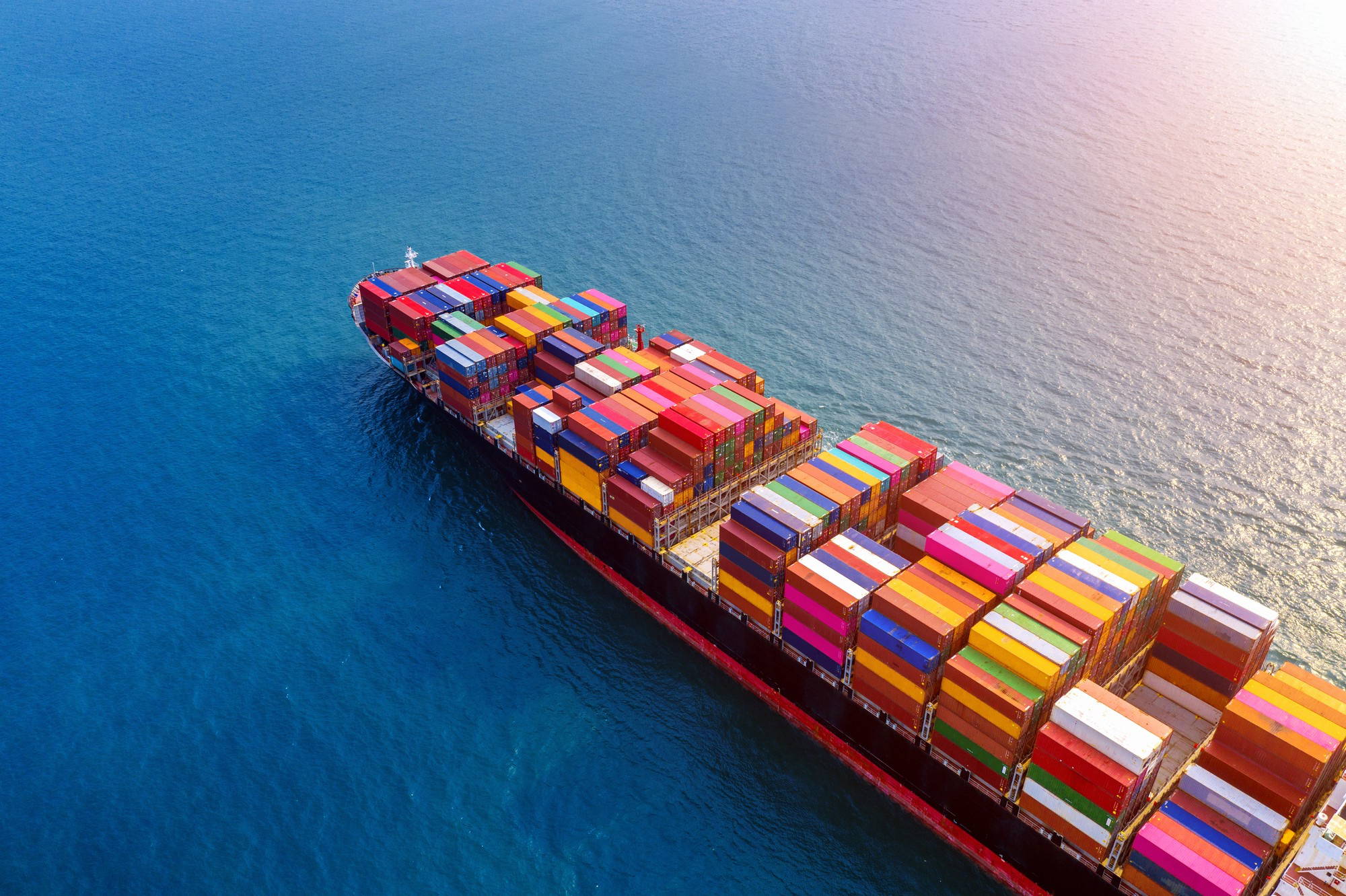
Maritime operations face unique challenges that demand innovative solutions. The solutions offered in this industry should address regulatory complexity, operational efficiency and sustainability. Because the stakes are high in maritime operations, each step requires precision, expertise and reliability. A simple mistake in a cargo ship could result in a huge loss while the livelihoods of the crew can also be implicated.
One of the challenges maritime operations face is fuel efficiency. Fuel prices rise and they tend to be affected by numerous factors, including ongoing conflicts, geopolitical instability and fluctuations in global demand. To add to that, strict emissions standards require extra attention. Making sure operations fit emission standards is a hefty task as it demands expertise.
Maintenance is another hardship marine operations face. Unplanned maintenance causes downtime, which might be extremely costly when ships are offshore. Any unplanned maintenance potentially impacts operational efficiency and results in delayed schedules, another problem to solve. As it is not entirely possible to foresee circumstances which might create the need for maintenance, this poses a significant risk to both reliability and cost management.
Another one of challenges marine operations face is route planning. Routes must be designed by taking into account weather conditions, ocean currents, fuel efficiency and maritime traffic. Poor planning can lead to increased fuel consumption, delays and safety risks. Therefore, optimizing routes is essential to ensure timely delivery, cost efficiency and safe navigation.
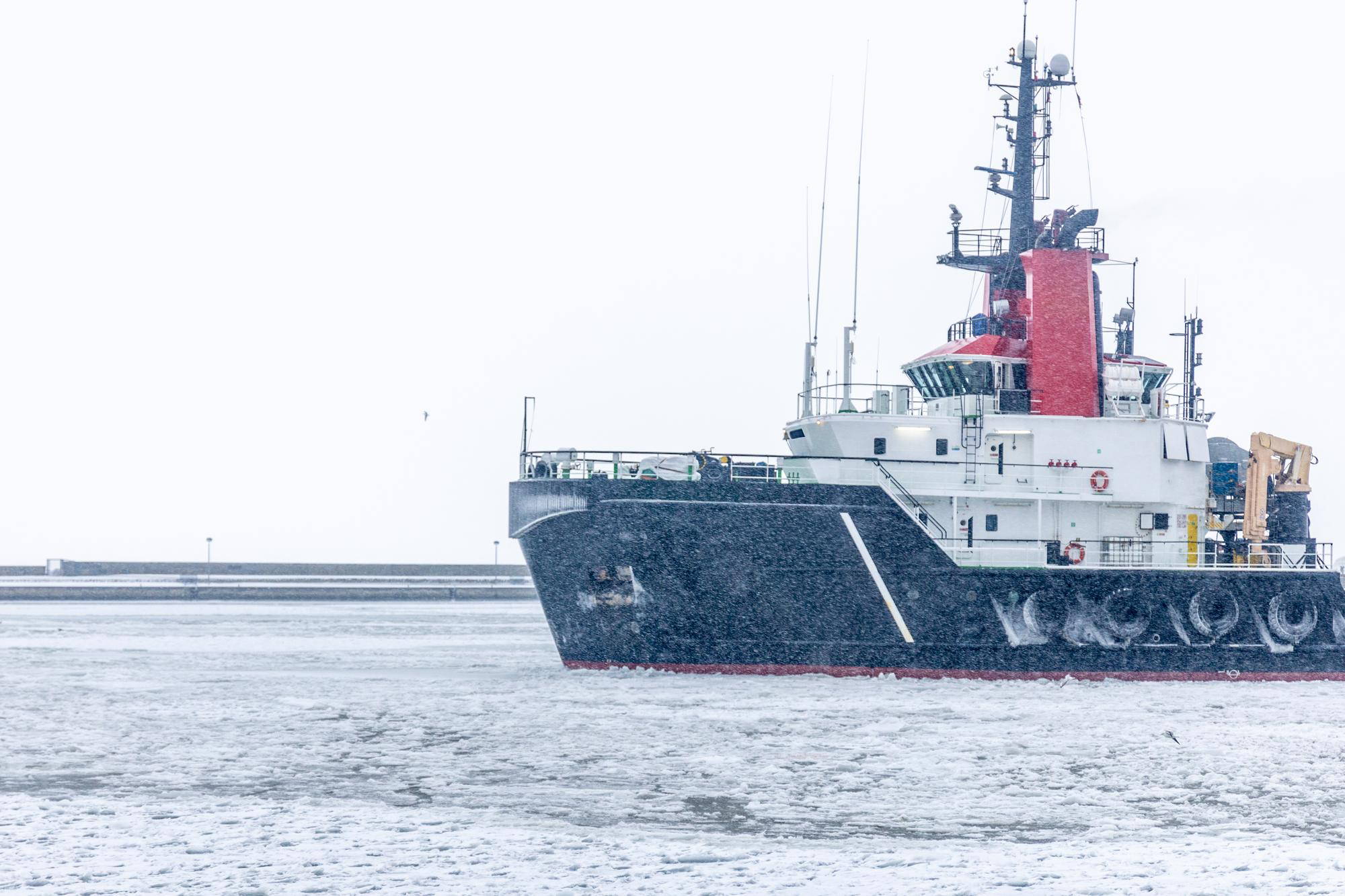
What is Edge Computing in Maritime Context?
Edge computing is basically decentralized IT architecture that processes data near its source. Edge devices can be IoT devices, local servers or sensors. Rather than relying solely on a distant, centralized cloud data center, these systems collect and process data independently. This approach is known to reduce latency, lower bandwidth costs and enable real-time, instantaneous decision-making.
In addition to minimizing latency and connectivity costs, edge computing actually makes it possible to run AI or other project requirements in environments otherwise impossible. These systems can run under the water, in the middle of the ocean or in the arctic. Building such a system with cloud connectivity capacities would not be feasible as this would result in delays or even complete loss of communication, ultimately compromising system reliability and real-time decision-making.
Key Use Cases at Sea
IT services for the marine industry consist of a wide range of applications. Marine systems require advanced sensors, route planning, communication, staff management solutions. In addition, the mechanical structure of the ship needs to be maintained constantly, which makes keeping a close track of equipment a critical task. Key use cases of marine embedded systems development are aimed at solving these problems.
Predictive maintenance stands out as an important use case of marine computing. Maritime AI enables early detection of equipment issues by analyzing sensor data in real time. AI-powered maritime solutions help prevent unexpected failures, reducing downtime and maintenance costs. This improves vessel reliability and operational efficiency.
Route and fuel optimization is another key usage of AI-powered maritime solutions. Using maritime AI, routes are optimized based on weather, currents and traffic conditions, AI-powered maritime solutions reduce fuel consumption, shorten travel time, and enhance safety. Dynamic adjustments ensure continuous efficiency throughout the voyage. In addition, smart systems can be used for cargo management and optimization. AI-powered maritime solutions ensure better space utilization and reduced operational risks. This leads to more efficient and reliable supply chain operations.
Autonomous navigation is perhaps one of the most impressive of AI-powered maritime solutions. Maritime AI supports autonomous navigation by processing data from multiple onboard systems, analyzing data real-time. This way, artificial intelligence enhances maritime solutions to improve navigation precision and reduce human error. This leads to safer and more efficient vessel operations.
Implementation of Edge Computing for Maritime
Implementing marine embedded computing solutions takes a few steps. First of all, the problem to be solved with successful implementation of embedded system needs to be identified correctly. Is it fuel efficiency, dangers at the sea or costs of unexpected maintenance? Addressing the issue is critical as it allows the embedded system to be built exactly for solving this issue. First step of marine embedded systems development is pointing out the issue, and the project can move forward with identifying the solution after it.
The next step involves selecting the appropriate embedded computing platform. The solution provider evaluates the operational requirements, defines the use case and determines the most suitable hardware architecture for deployment, taking into account constraints such as environmental conditions, connectivity and processing needs. Based on this assessment, multiple solution architectures may be designed, incorporating relevant edge devices, sensors and integration points with existing onboard systems.
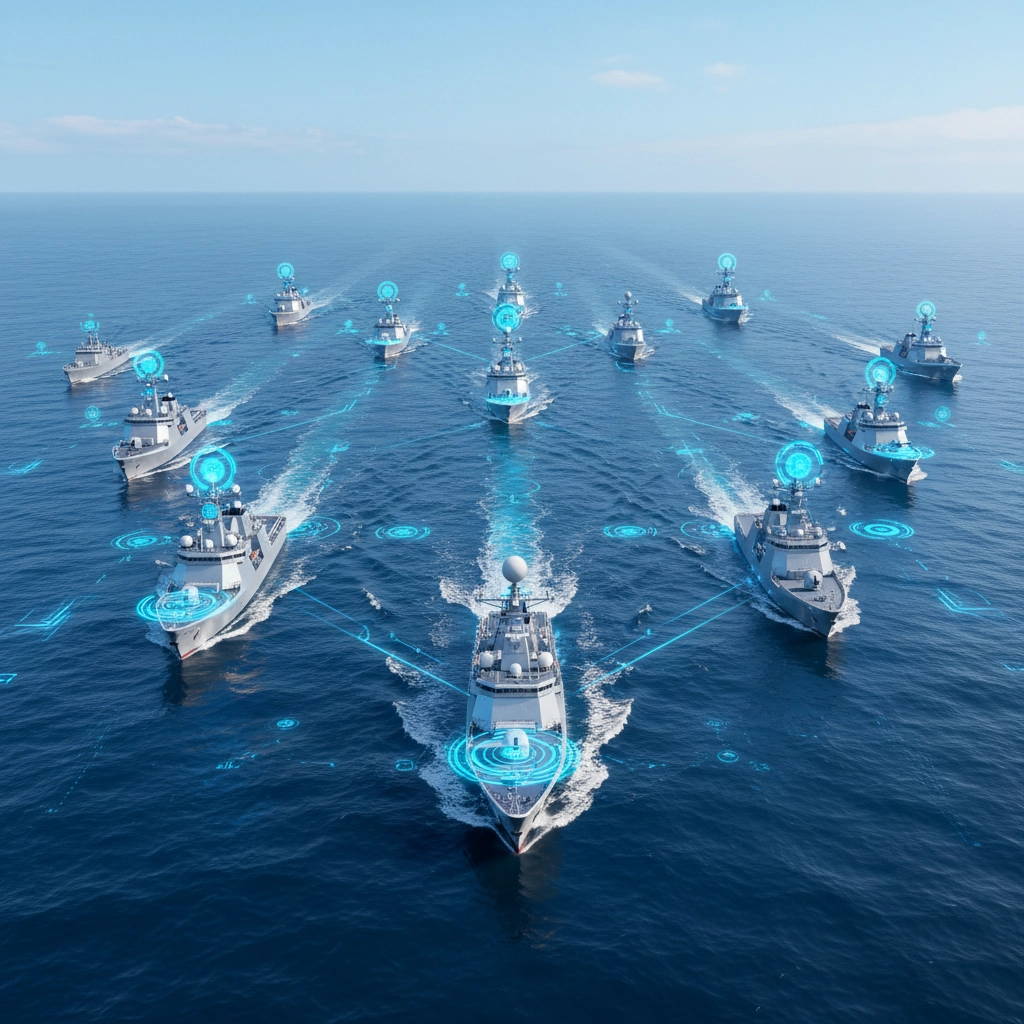
These proposed architectures are then presented to the product owner and key stakeholders, outlining trade-offs in performance, scalability, and cost. Through a collaborative evaluation process, a preferred implementation pathway is selected, ensuring alignment with both technical requirements and operational objectives. In this step, appropriate embedded computing platform is selected.
Key Products
AI-powered maritime solutions rely on powerful hardware to run smoothly. Marine embedded computing systems require compute power, reliable and fast connections, durable form factor and long-term stability in demanding offshore environments. From autonomous navigation and real-time video analytics to vessel monitoring and predictive maintenance, these systems must deliver consistent performance despite vibration, salt exposure, temperature swings and limited maintenance access. Choosing the right embedded platform is essential for ensuring reliability, efficiency, and uninterrupted operation at sea.
DSBOX-THRMAX is an industrial-grade Edge AI computer powered by the revolutionary NVIDIA Jetson THOR. As an industrial computer engineered for robotics, vision-based systems, and autonomous platforms, DSBOX-THRMAX has everything needed in maritime applications. From rich industrial I/O for easy integration to real-time thermal monitoring, DSBOX-THRMAX is ready to be deployed in AI-powered maritime solutions.
DSBOARD-THRMAX is a carrier board, engineered to support powerful 128GB LPDDR5X memory interface, high-speed PCIe Gen5 storage, and a wide array of I/O options including dual HDMI 2.1, dual DP1.4a, USB 3.2, QSFP+, and robust serial connectivity. Its extensive connectivity options, paired with the powerful NVIDIA Jetson THOR SoM options, makes it stand out as an ideal solution for marine embedded systems.
As a rugged computer for marine option, MILBOX-AGX carrier everything maritime operations need. Thanks to its ruggedized chassis that can withstand extreme temperatures, shocks, and vibrations, you can rely on this device to operate reliably in the most challenging environments. Its NVIDIA Jetson AGX Orin is as powerful and durable as its form factor, making it well-suited for demanding AI workloads.
Want to know more?
Explore how our marine embedded computing solutions can elevate your maritime operations with cutting-edge AI and edge computing technologies. Whether you're looking to improve fuel efficiency, enhance navigation safety, enable predictive maintenance or deploy autonomous systems, our team is ready to support you at every stage.
Get in touch with our experts to discuss your specific use case, evaluate the right hardware platform, and design a solution tailored to your operational needs. Let’s work together to build smarter, safer and more efficient maritime systems powered by AI.
